Warning: The following contains minor spoilers for Jujutsu Kaisen: The Culling Game – Part 1, now streaming on Crunchyroll.
When it comes to classic, beloved shonen, there are certain… barriers to entry, though nothing that should detract from their enduring legacy. It’s the “little” things, like the number of episodes, pacing, and production quality – factors that stem from a time when shonen were produced very differently. There were no seasons; they would just run continuously until they ran out of material to adapt, at which time they’d either go on hiatus or burn more of the midnight oil (that’s the whimsical way of saying overwork), producing filler arcs until there were enough chapters. Additionally, the evolving production quality meant that shows looked very different in Episode 1 than compared to Episode 200 or so, which could also deter anyone who is first and foremost drawn to the later art quality of a long-running show.
Of course, shonen has changed quite a bit since the 90s or the 2000s. If anything, sometimes it feels like you’re at greater risk of the animation quality going down after the first season, though this is thankfully rare. One-Punch Man never achieved the same level of attention in the cultural zeitgeist after Season 1, a decline most would attribute to the dwindling animation quality after the anime changed hands. Or, to a much less egregious degree, take My Hero Academia, a show whose detractors would assert that it declined in quality after Season 3. Personally, I think this is just because its early seasons set a gold standard for what a long-running shonen could look like – one that was unfortunately hard to maintain to quite the same level. Regardless, it was still a fairly consistent and wonderfully written series, and one that especially stepped up during its final seasons (though I’m obviously a bit biased on that count).
I bring all of this up because now we have Jujutsu Kaisen, and although it is by no means new (having started airing in 2020), I’ve only recently come to realize just how much I love – and have loved – this series. Season 1 already started strong, from narrative to animation and especially music, but I’m not sure I’ve seen an anime so consistently increase in quality each season – at least not that I can think of off the top of my head. I’m too busy thinking about The Culling Game – Part 1, the long-awaited third season that has officially cemented Jujutsu Kaisen as not only one of my favorite shonen, but one of my favorite anime, period.
One Shonen Hit After Another
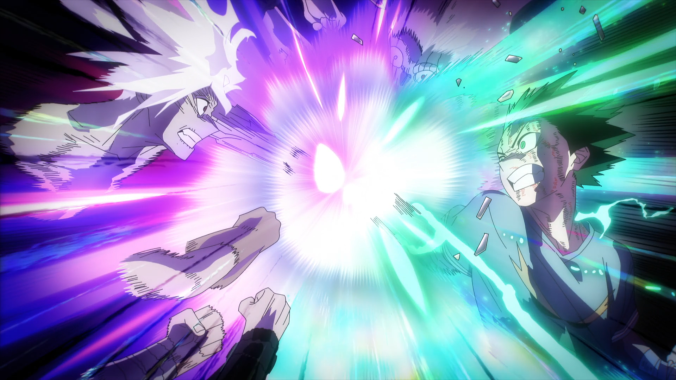
It feels rather serendipitous that I’ve come to such a delightful realization so soon after I spent week after week sobbing to the final season of My Hero Academia late last year. Given all the kind things I had to say about it, one might assume that series would be entitled to such an accolade, but while I will always cherish the decade I spent with Deku and Class 1-A, my love for Jujutsu Kaisen is a different kind of beast. A sort of comfort derived from a narrative that strikes so many acute and specific aesthetic chords in my brain and heart that I’m amazed something so perfectly tailored for me is also widely beloved by the anime community at large. My specific reasons for loving it might be more unique to me, but I’m overjoyed to see so many people enjoying it as well.
There’s the added element of my having read the manga. Jujutsu Kaisen is the first and only manga that I have read to completion, which made every new episode that much more special, seeing how they’d adapt my favorite moments. Far more frequently, though, it was an exercise in seeing how much better the anime could make the parts that I already loved, or most impressively, the parts that I was indifferent about. Scenes that felt minor in the manga had so much more gravitas thanks to the proven audio-visual feast that director Shota Goshozono and his team are adept at cooking up. I already talked at length about Episode 51 two months ago, and if I were still writing at Game Rant, I fear I’d have run out of ways to articulate my praise by now. With the benefit of some time to think on it, though, let me try to put into words what makes this season stand out from the jump.
Drink Everytime This Season Is “Cinema” (Impossible Difficulty)
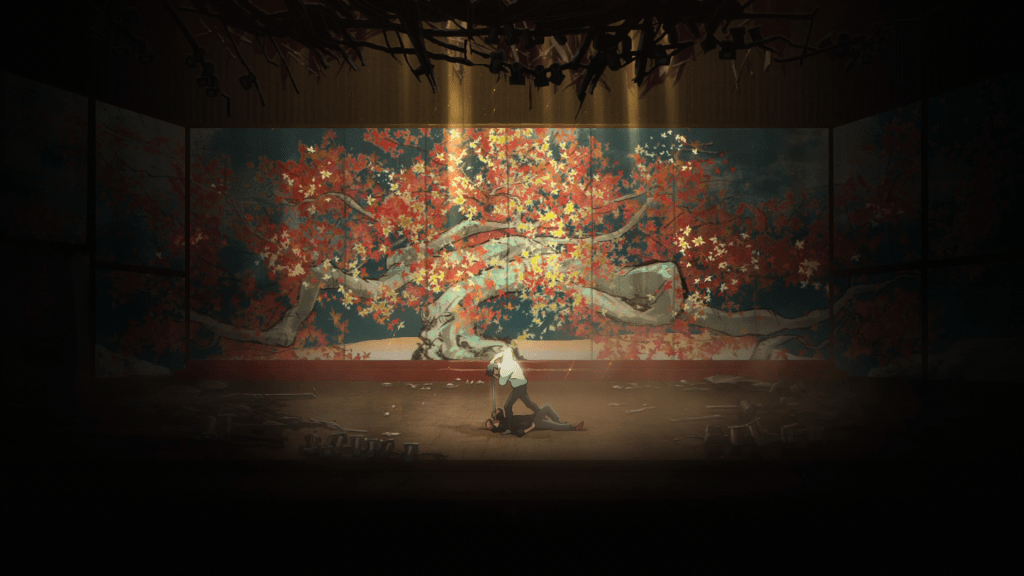
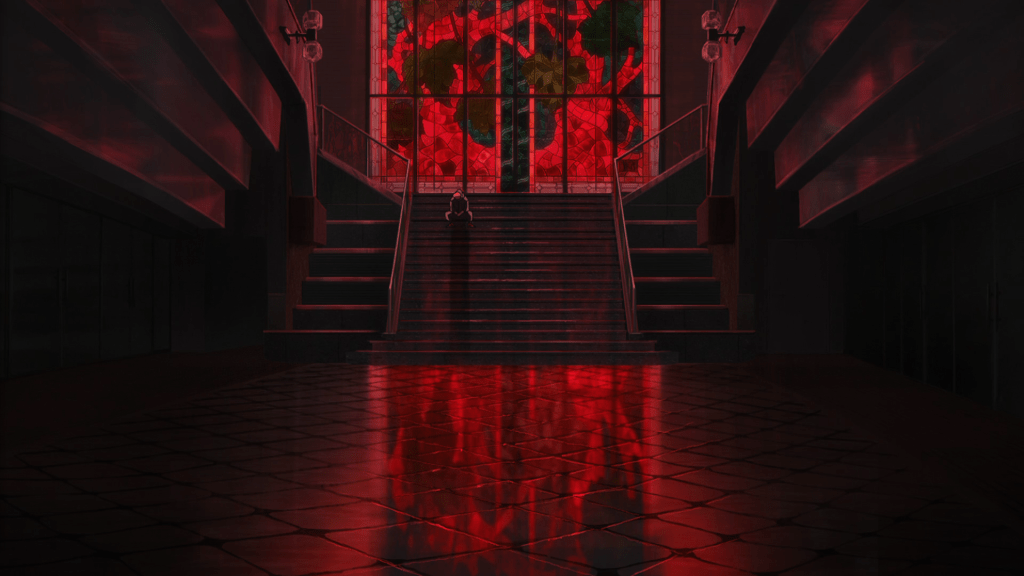
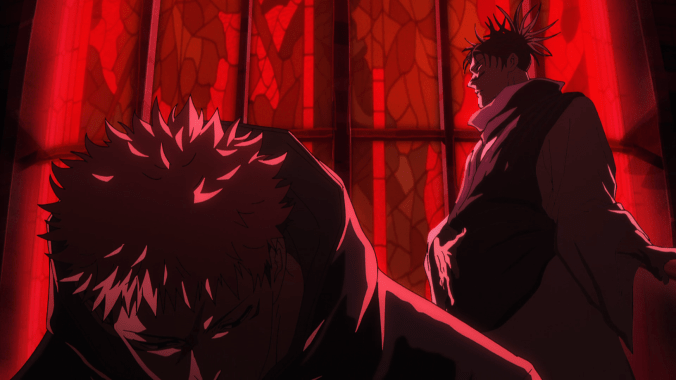
Calling anything “cinema” these days risks being received as incredibly blasé, as this accolade has become alarmingly toothless in the popular vernacular. Martin Scorsese really did a number on our culture when he expressed a perfectly reasonable opinion on the Marvel Cinematic Universe. Now, people use the word “cinema” as this sort of badge denoting the difference between high and low art, based mostly on vibes at worst and on the passion and craft behind a project at best. Nevertheless, I don’t really mind it, so long as it is used earnestly to describe art that is itself earnest in its pursuit of creating unforgettable stories. Honestly, Jujutsu Kaisen is pretty kino. Granted, it’s “cinema” in the same way that a lot of newer shonen are: both the artists behind the original works and the animation teams behind their adaptations seem to draw a lot of inspiration from film, among other art forms. Lately, I’ve noticed the direction of popular anime in general seems to be taking more inspiration from overseas.
Take Chainsaw Man, whose author, Tatsuki Fujimoto, is an avid lover of film, which also explains why the first season was the way it was. Director Ryu Nakayama took the filmic inspirations behind the manga to heart and thus lent the anime a realistic style that echoed live-action filmmaking, especially the opening, which references a ton of films, new and old. Gege Akutami’s Jujutsu Kaisen is a similarly inspired work that draws upon not only shonen greats before it, but whose anime is especially inspired by cinema, classical art, folklore, and even just other anime. Just look at the opening (shown above), which surpasses the Shibuya Incident’s, not only in terms of foreshadowing but also in the sheer quantity of easter eggs. Beyond the opening, the production team has labored to present frame after frame of art drenched in metaphor; steeped in this immaculate and moody tone befitting this darker shift in the storytelling.
Jujutsu Kaisen Is Not The Same Anymore
Season 3 certainly feels cinematic, although to mix up the terminology, let’s call it “experimental.” There certainly aren’t a ton of shonen anime I’ve seen that are directed quite like this (certainly none as frequently). What “this” entails varies from episode to episode. In the premiere, it’s Yuji washing his bloody hands, unable to remove the red no matter how hard he scrubs. Episodes later, it’s the minutes-long conversation between him and Hakari, with not a single cut and some very subtle, very realistic character animation throughout. Or maybe it’s the episode where we see Higuruma’s past as a defense attorney, in which every scene is a visual feast of realist character acting and rotoscoping. If you’ve watched it, how many more scenes came to mind just now that I haven’t even covered yet? Forget “experimental” – to echo OrdinaryAri’s recent video on Season 3 (shown above), let’s call it like it is: Jujutsu Kaisen feels “real” in a very special way.
By “real,” I’m referring to more than just the visual style and its propensity to echo reality, although that is an essential quality in how this story evokes such strong emotions. Instead, I’m referring to the storytelling at large and how its vocal performances, visual metaphor, social commentary, and allegory weave a uniquely grounded tale, even as it indulges in exceedingly supernatural spectacle. Basically, the kind of show I thought I was getting back in 2020 is completely different from the show I sat down to watch at the start of this year. It’s no longer a story about hunting down a bunch of cursed fingers for our lovable protagonist to munch on while prolonging his death sentence. Jujutsu Kaisen is a story about the systemic failure of its society, the inadequacies of which demonstrably and unequivocally bring about its downfall, from the ashes of which our heroes have to rise up to save it
The Arc That Should Not Work
At the end of the last season, just about everything that we knew about the setting was flipped upside down. The Shibuya Incident concluded with the deaths of thousands, the imprisonment of Satoru Gojo, and, in its aftermath, the forced disclosure of the existence of cursed spirits to the public, amid a scourge of curses upon Tokyo. To make matters worse, in Gojo’s absence, Yuji’s death penalty was reinstated, with other characters being condemned along with him. To top it all off, Yuta Okkotsu is assigned to execute Yuji. All the while, the sorcerer Kenjaku – wearing the shell of Suguru Geto – has laid the foundations for the Culling Game, a nationwide ritual that is – seemingly – designed to optimize cursed energy through natural selection. Sorcerers from centuries past have incarnated in new bodies, while others in the modern era have awakened to cursed techniques, and both groups will now do battle in different colonies spread across Japan.
The Culling Game is… a lot. There are so many rules behind it, and even more new characters, whose lifespans can stretch anywhere from a few chapters to the end of the series, though usually closer to the former, give or take. Plus, the end goal of it all isn’t exactly clear. That aforementioned theory about it optimizing cursed energy for natural selection? That gets debunked before Part 1’s even over. Kenjaku’s goals are mysterious, up for speculation, and rooted in philosophical debate that is largely esoteric, rooted in the magical nature of the setting. It’s understood that our heroes want to free Gojo and stop Kenjaku, but the road between them and victory is long; each new ally or piece necessary to win is a stepping stone as the end itself seems so far off. And yet, despite all of that, the Culling Game… works. Why?
Regarding the original manga itself, I have some ideas. In the same way that tournament arcs or otherwise structured events in shonen often breed excitement by their nature, the Culling Game presents a framework that is perfect for short-form storytelling. Each new colony – and subsequently each battle within – presents an opportunity to explore new and old characters alike, to say nothing of how the magic system deepens. There are so many new kinds of cursed techniques on display, and having many of these characters be incarnated sorcerers works brilliantly to explore the past even as the narrative barrels ahead toward the future. It helps the world feel larger, even as the stage upon which the story is set has been constrained by new rules and borders. With a structure as frequently gratifying as this, the vagueness of the end goal doesn’t feel as suffocating.
How The Anime Elevates The Culling Game
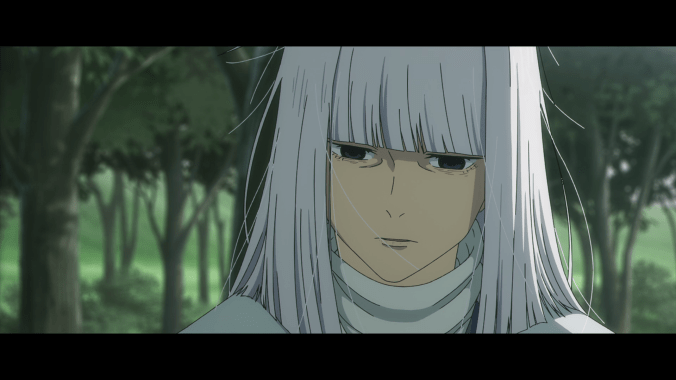
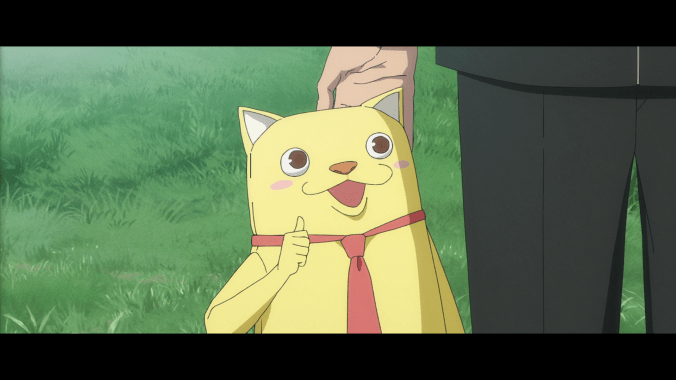
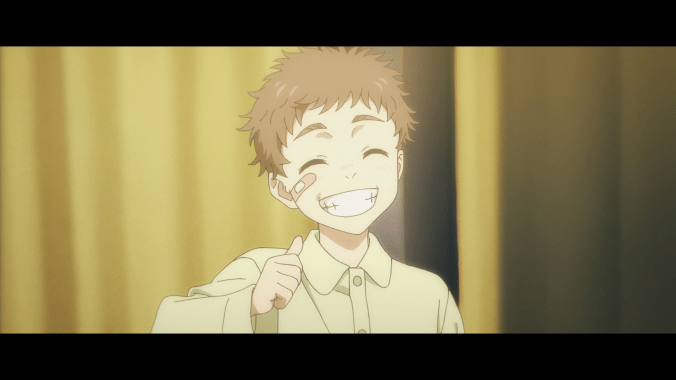
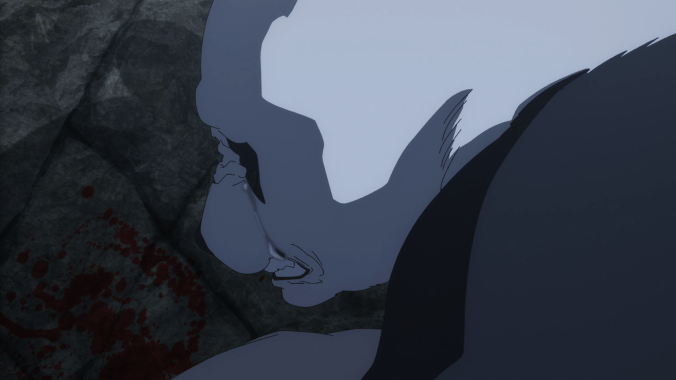
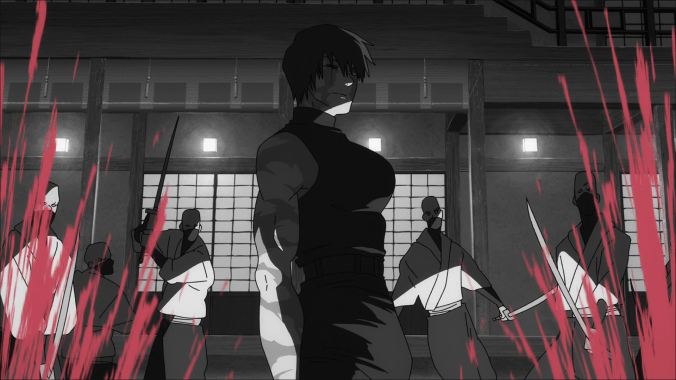
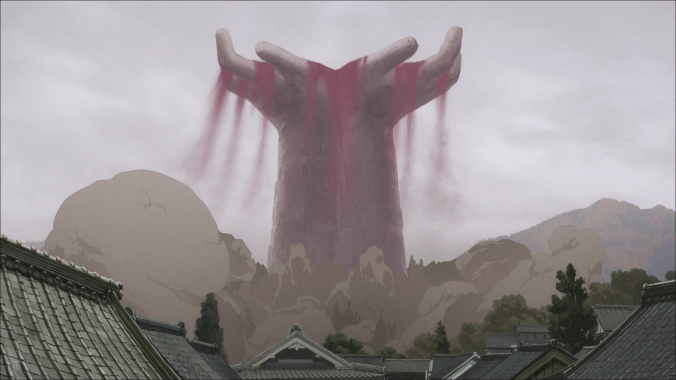
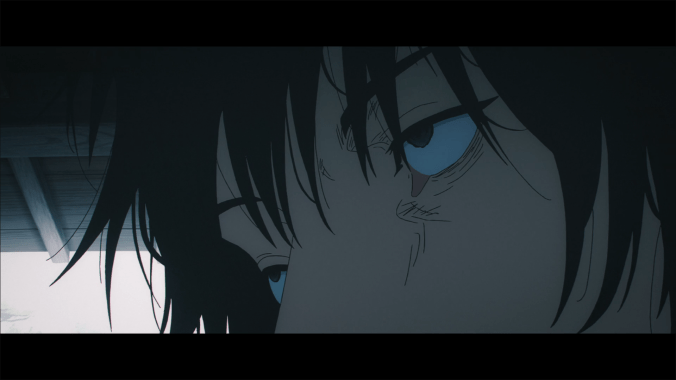
Rather than just exemplifying these qualities, the anime actively elevates the arc to new heights. The visual presentation is a masterclass in character acting, effects animation, fight choreography, and sheer pathos. There was not a single bad episode this season, or even any that were “just okay.” Strong episodic storytelling isn’t just about chopping a story into pieces connected by tantalizing cliffhangers; it’s about telling strong individual stories, albeit often connected by a greater thread. Every story this season felt important, as if the episode’s directors had a strong vision for each one and a clear command of how best to adapt the source material without sacrificing too much.
Episode 52’s 6-minute cold open adapts an entire chapter about Principal Yaga, Panda, and the truth behind the former’s cursed corpse technique. It might be one of my favorite chapters from the manga, full of many poignant character moments, and it’s adapted beautifully – in full – before the opening even hits. I’ve already written at length about “Perfect Preparation,” how succinctly and elegantly it condensed Maki’s rampage into one episode, but the season finale, “Sendai Colony,” was just as impressive. See, the whole Culling Game is mostly divided up by the stories in each colony. This season begins with the lead-up to the main characters entering the game in earnest, followed by “Tokyo Colony No. 1” and “Sendai Colony,” the latter of which is covered in a single (extended) episode.
Initially, I thought this was an odd place to end the season before an inevitable hiatus. I remember enjoying the chapters, but there was a lot of internal monologue and careful explanation of cursed techniques that I worried would eat up time, leaving us on a cliffhanger until the next season, which, as of the time of writing, has no release window. I was so happy to be wrong, as not only was this the best season finale of the series yet, but it rivaled even “Perfect Preparation” in its visual direction by removing a lot of internal monologue. Rather, the anime lovingly translates the action of the original panels into motion, letting the choreograpy speak for itself more often, while also taking liberties to extend these sequences, adding potent flourishes, big and small.
Jujutsu Kaisen vs “Show, Don’t Tell”
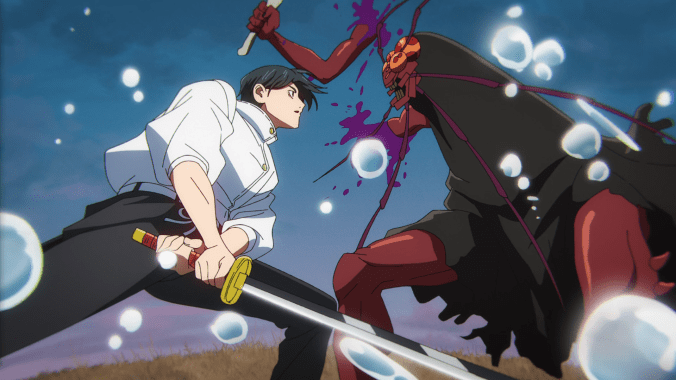
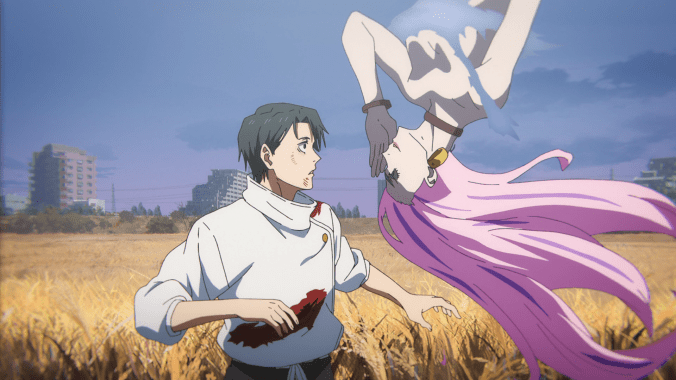
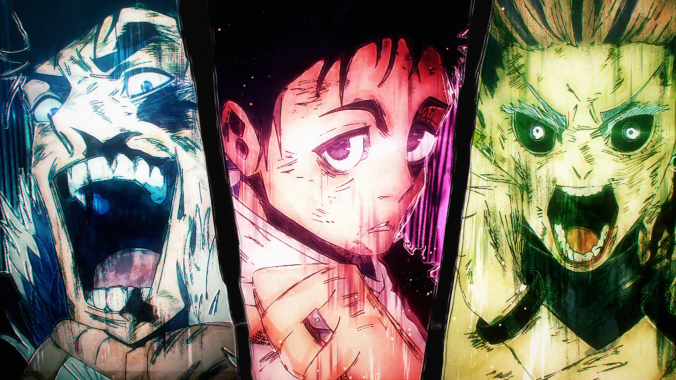
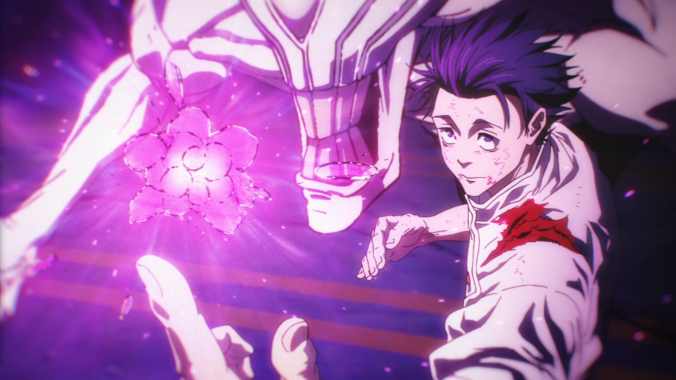
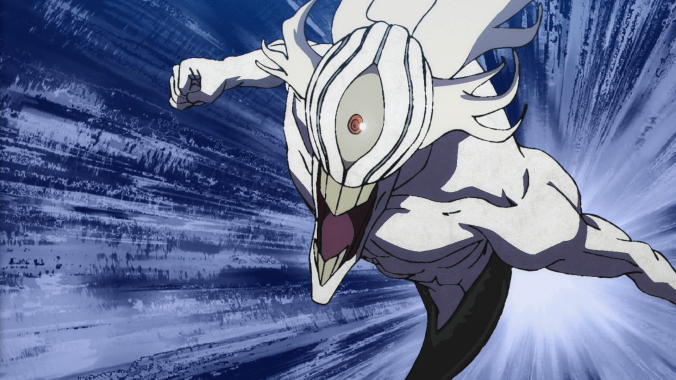
I could write an entire piece about the changes made to “Sendai Colony” and how they make the arc even better (and I just might). Make no mistake, however, there is plenty of talking, be it from the characters themselves or by the narrator, now revealed to be the once-mysterious Tengen, voiced by Yoshiko Sakakibara. I love narrators in stories, because as much as we critics like to harp on about “Show, Don’t Tell,” there is an undeniable art to verbal storytelling, one that Jujutsu Kaisen clearly appreciates. Sakakibara’s voice as Tengen is incredibly captivating, at once gentle and wise, yet punctuating each surprise turn with cool, dispassionate pragmatism. When she explains the thought process of a character as they’re preparing an attack, for instance, it never feels supplemental – rather, a compliment to the scene.
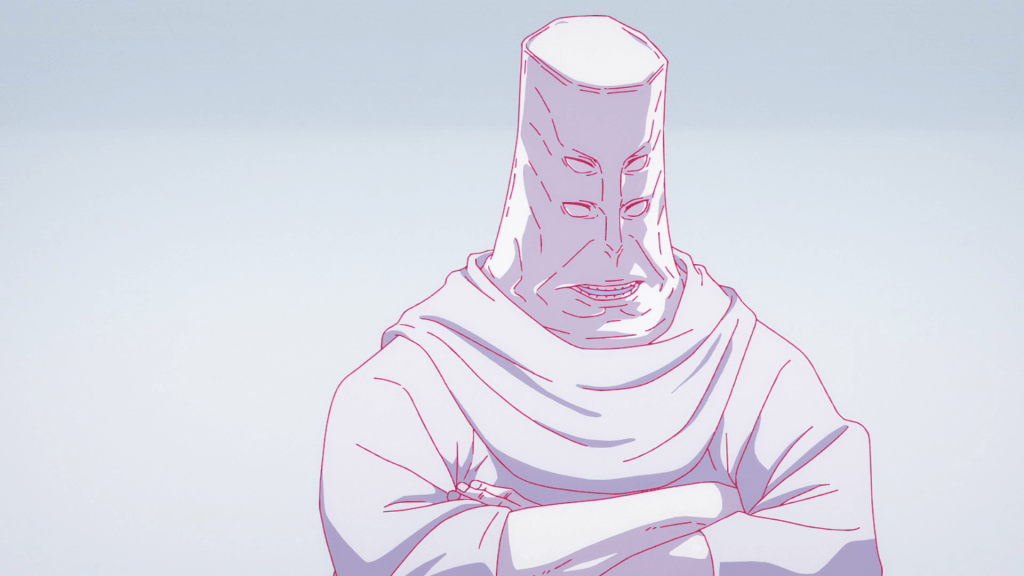
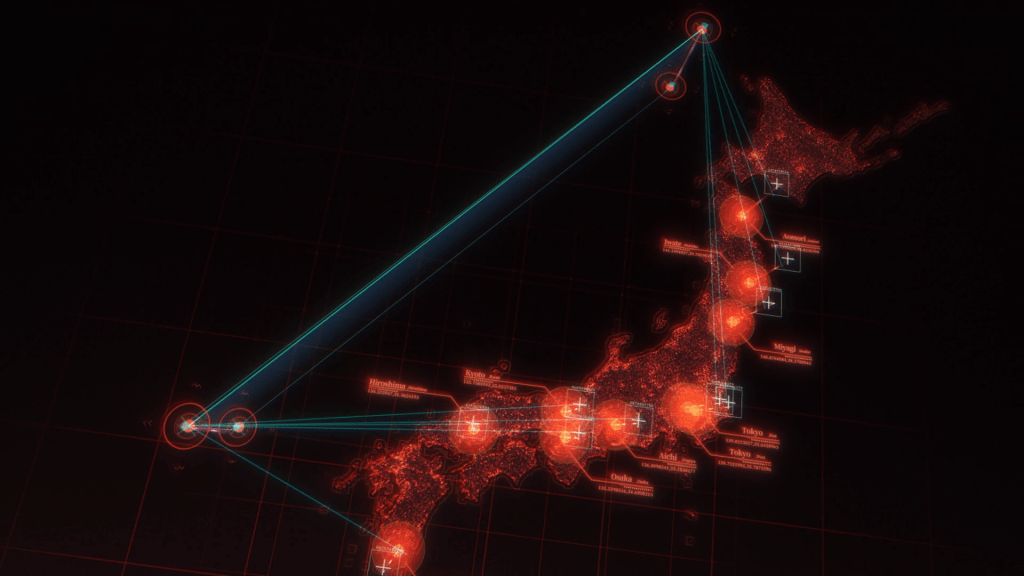
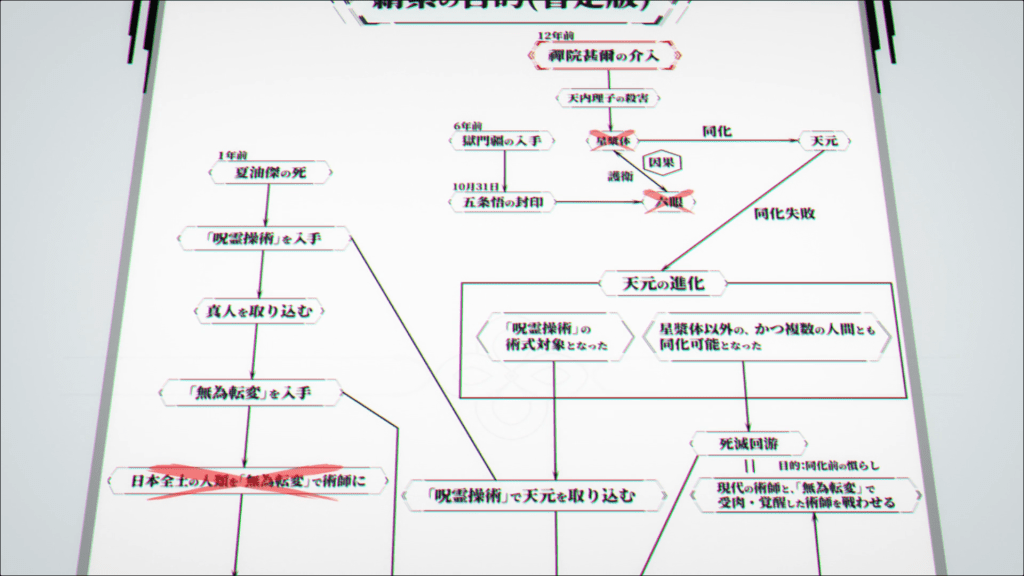
Consider Episode 50, “About the Culling Game,” which has the unenviable task of explaining the rules of the titular battle royale, establishing the main characters’ goals, and assigning characters to those tasks, all while keeping the audience engaged. And it absolutely nailed how to do exposition right, first and foremost by leveraging the art direction to create an atmosphere that is consistently eye-catching. Rather than keeping the setting as a white void like in the manga, the landscape changes color, and imagery that would typically be a cutaway or a separate panel for the reader’s benefit alone is integrated directly into the scene. After all, the characters are learning along with us, offering their own banter, and formulating a plan of attack; it feels like a productive expression of character and building of narrative stakes as opposed to just a “lore dump”.
Style, Substance, and the Seams Between
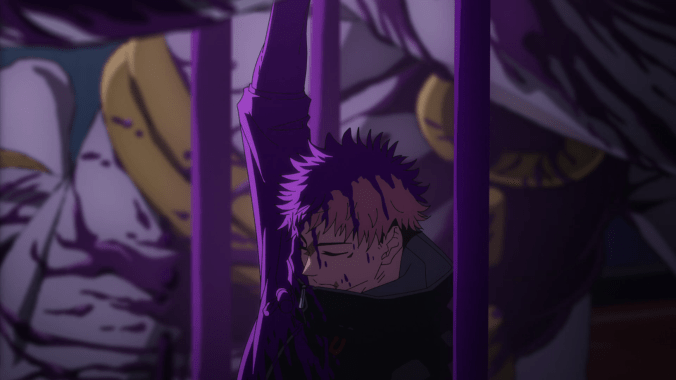
It’s important to praise these episodes, in particular, because sometimes I’ll see people criticize Jujutsu Kaisen as an anime with “style but no substance,” where the emotional highs of the action take precedent over deeper storytelling. When James Beckett reviewed Season 2 for Anime News Network, he was scathing in his critique, asserting that there was no deeper meaning behind the spectacle. Recently, I saw one person on my feed who, despite enjoying the anime, compared it to junk food. To a certain extent, I can see where they’re coming from. Having read the manga, there were many times when I felt like Gege Akutami missed the mark, especially as it got closer to the ending. The most common refrain is its “missed potential”, especially concerning the supporting cast – or hell, even the main characters. But while there’s still ample possibility for the anime to leave us wanting in the same way, I do think the way this story has been told makes all the difference. One could easily argue that the anime is a big improvement.
Continuing from what I said earlier about “Show, Don’t Tell,” I think the anime’s greatest strides toward elevating the source material are found in what isn’t said, or even in what has been said but is elaborated through action. Yuji Itadori is a shining example of this, as I’m not sure if there’s a single other character whose emotional journey benefits from the aesthetic presentation more than him. I’d go so far as to say that the tone of Season 3 – that oppressive, dreary, yet tragically beautiful tone – is fundamentally rooted in Yuji’s character. This is especially worth exploring because, while it’s easy to like Yuji, I think he gets a bad rap when examining him as a “good protagonist.” ANN’s aforementioned review called him a “glorified plot device” whose only personality trait is being the main character of a shonen. Perhaps back when Season 2 had wrapped, there was a chance I might have empathized, but now – especially now – I ask, are we watching the same show?
How The Culling Game Reaffirms Yuji
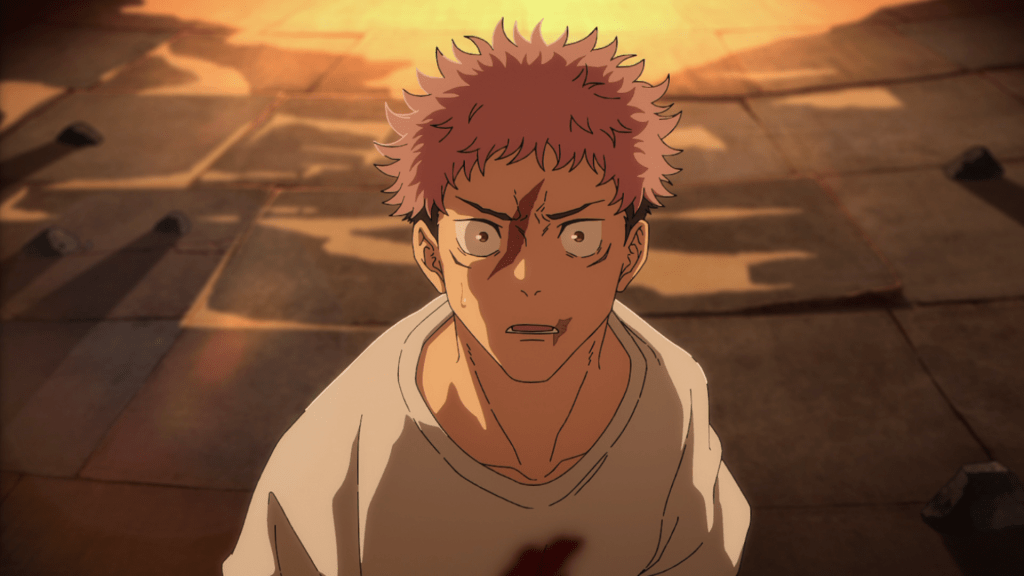
Right from Episode 1, we understand Yuji to be a fearless young man with unnatural strength, an overwhelmingly positive attitude, and a desire to protect his friends. So… yeah, as barebones as you can get from a shonen protagonist, but as far back as I can remember, the narrative has always challenged his resolve. Even before the Shibuya Incident, he was wrestling with the weight of having killed people, the mortality of those closest to him, and his place in the world as a jujutsu sorcerer. Shibuya was just the biggest and boldest defining moment yet, the shadow of which looms heavy over our young hero long after the dust has settled. Now, I’m not trying to say that the amalgamation of tragedies experienced by him makes him a deep character, but I do think the root of his pain is worth examining, as it exemplifies his agency and what makes him special as a protagonist.
When we join Yuji at the start of Season 3, he has cut himself off from just about everyone. He spends his days exorcising the curses that have overtaken Tokyo, forging his body into a curse-killing machine. Choso, Yuji’s unexpected brother and his sole companion at this time, compares him to a war god. Up until his encounter with Naoya and Yuta, when he’s pulled into the plot to end the Culling Game, it’s heavily suggested that Yuji would have continued killing curses like this without end. He’s burdened with the pain of so many deaths, but no more so than the ones he blames on himself; the thousands that Sukuna killed in Shibuya, with his body, while he was forced to watch. It’s easy for us as the audience to say that he can’t be blamed because he wasn’t in control, but in Yuji’s eyes, he did have a choice.
Yuta’s Agency, Guilt, and His “Function”
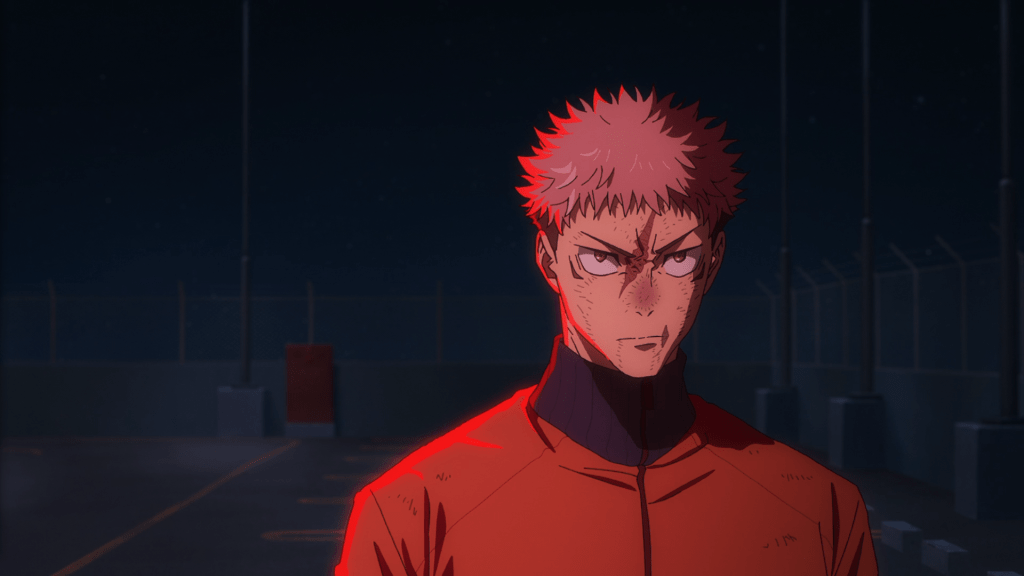
Yuji chose to eat Sukuna’s finger in the first episode, for the sake of protecting not only his friends, but also Megumi, someone he didn’t know yet. Furthermore, it was Yuji’s choice to become a jujutsu sorcerer instead of accepting execution, and not because he was afraid of dying. It was because even if he could escape his death sentence, he’d never forgive himself for not taking responsibility and doing something to stop Sukuna. Every tragedy since then has confronted Yuji with the fear that he made the wrong choice; that his morality is wrong, that his sense of heroism is misplaced, and worse, that both are incompatible with the world he lives in. As the series has explored before, jujutsu sorcerers are neither inherently good nor evil, but merely a function of this hidden society, one whose inequality and corruption are well-documented. We see it in the Zenin clan’s systemic misogyny, the predatory greed of characters like Mei-Mei, or the senseless sacrifice of people like Riko Amanai.
The normalized consumption of life within jujutsu society is sickening. Despite – no, because – of this, Yuji stands out. The criticism that he is merely filling in the role of a shonen protagonist seemed reductive – and it is – but amusingly, I don’t disagree. Actually, I find it to be somewhat intentional. He is a shonen hero in a setting where such virtues are more often considered an inconvenience by even those who theoretically are on his side. It’s why every battle and every loss is an attack on his raison d’etre. Crucially, though, it’s also why every time Yuji stands back up, he’s not just fulfilling a debt or atoning for a sin; he’s reaffirming that he made the right choice. And the real kicker is, I never really thought about any of this on a deeper level until I watched this adaptation. I’m not saying that the manga didn’t articulate this idea, but I am saying that the anime is consistently more evocative in its treatment of Yuji.
Junya Enoki’s vocal performance is a refreshingly raw take on this kind of angst, and the art direction genuinely makes Yuji’s struggle with grief and guilt hit so much harder, and nowhere more potently than this season. His speech to Hakari about being a “cog” is given a lot more time to simmer, which emphasizes the weight of Yuji’s assertion, and makes Hakari’s collaboration feel more earned. Likewise, his confession to Higuruma in a later episode is beautifully tragic. The scene itself was already a marvelous confluence of two very complex individuals, but the anime’s treatment solidifies it as one of the most pivotal scenes in the franchise. So yeah, if you couldn’t tell, I think Yuji Itadori is a pretty cool guy. More than that, I believe him to be the very heart of the story.
Jujutsu Kaisen’s Ever-Growing Ensemble
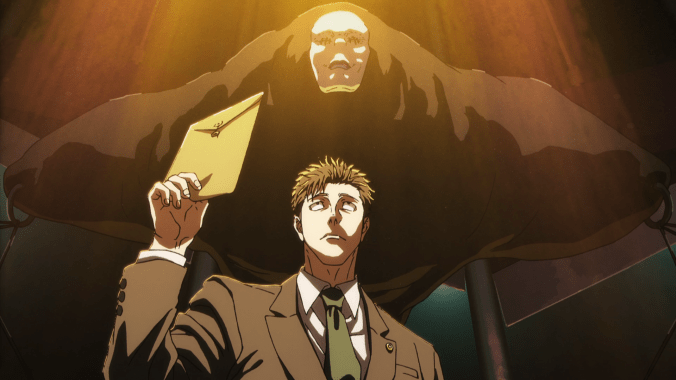
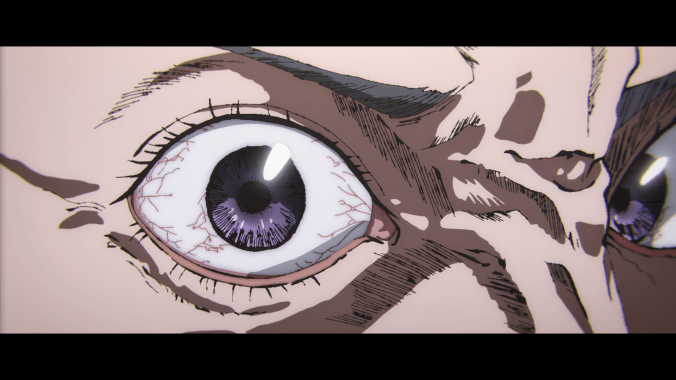
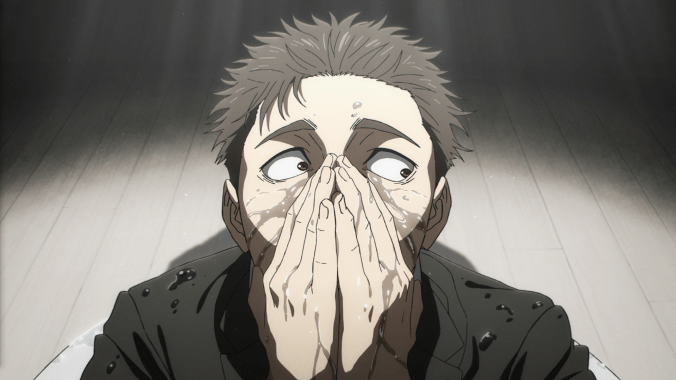
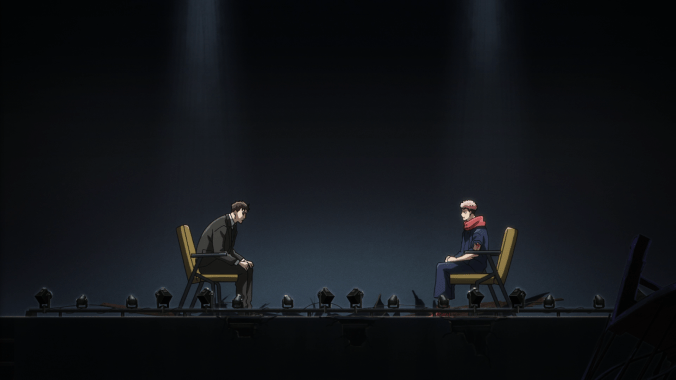
Let’s talk about Higuruma, because he very quickly became one of my favorite characters when I read the manga, and I know the same is true of those who met him through the anime. For a show steeped in such a rich occult atmosphere, it says something about the character writing that it can spend half an episode devoid of that atmosphere entirely and still be utterly captivating. For a brief moment, Jujutsu Kaisen turns into a legal drama and a biting social commentary on Japan’s legal system at that. The way it weaves its story, informs Higuruma’s expertise, and plays with the audience’s expectations before hitting them with a sucker punch never fails to get me emotional, especially thanks to the music. Seriously, Yoshimasa Terui deserves nothing but praise for how their score completes this story; this show would straight up not be the same without their talents.
There are perhaps no two opponents more perfectly paired than Higuruma and Yuji, because they are both good men with good hearts who have found themselves trapped in, and challenged by, inherently flawed systems. For Yuji, it’s the life of a jujutsu sorcerer – a marathon game that will either kill you, leave you jaded, or push you to forsake it entirely, like Suguru Geto did. For Higuruma, his origins are grounded in the harsh reality of the legal system, from which his burgeoning cursed technique gave him an outlet to exact his own justice at no small cost to his conscience. It’s through their fight, and witnessing Yuji’s humility in the face of the sins weighing upon him, that Higuruma remembers why he fought so hard to defend the innocent, even when the odds seemed impossible.
Understanding the Players
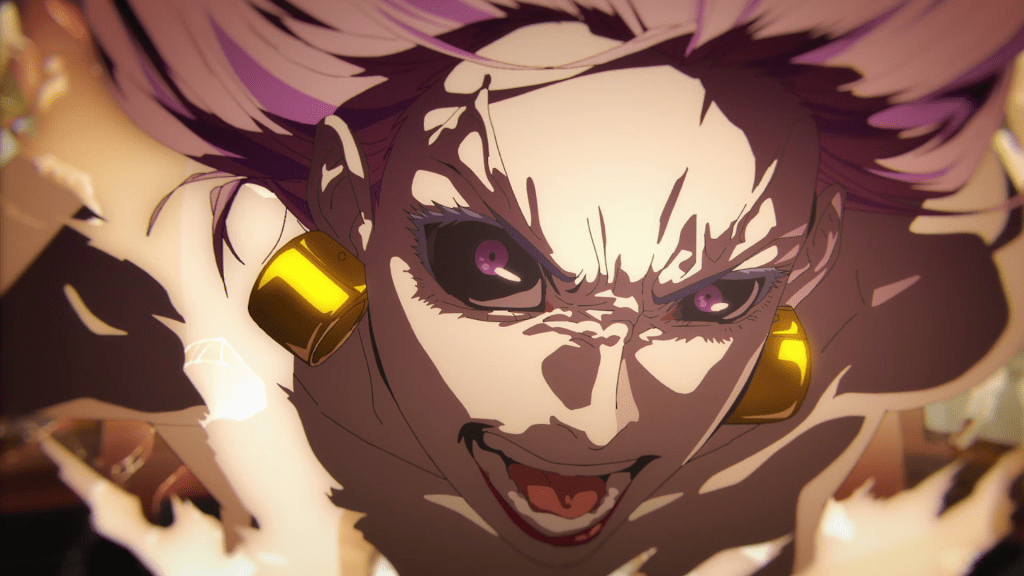
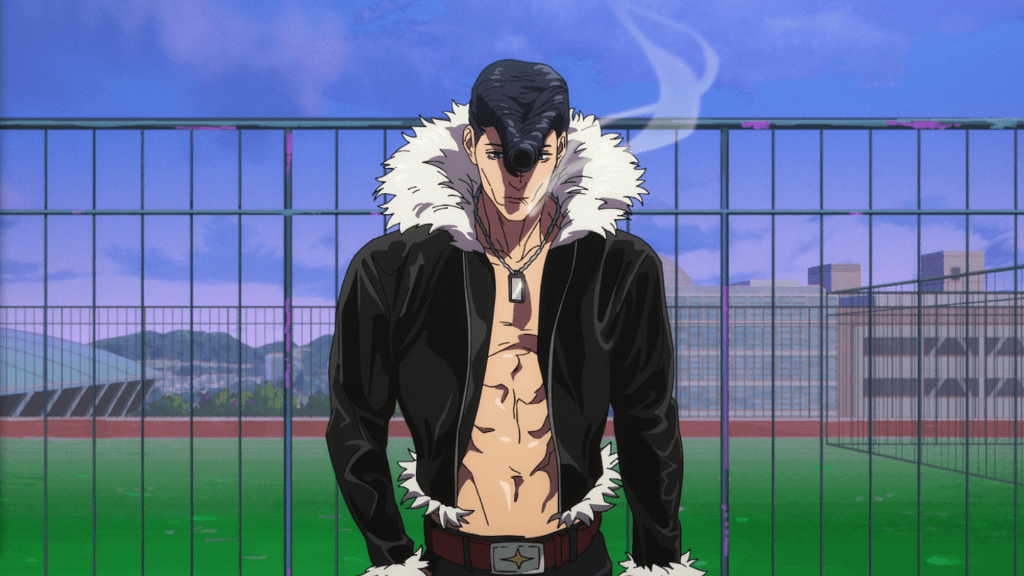
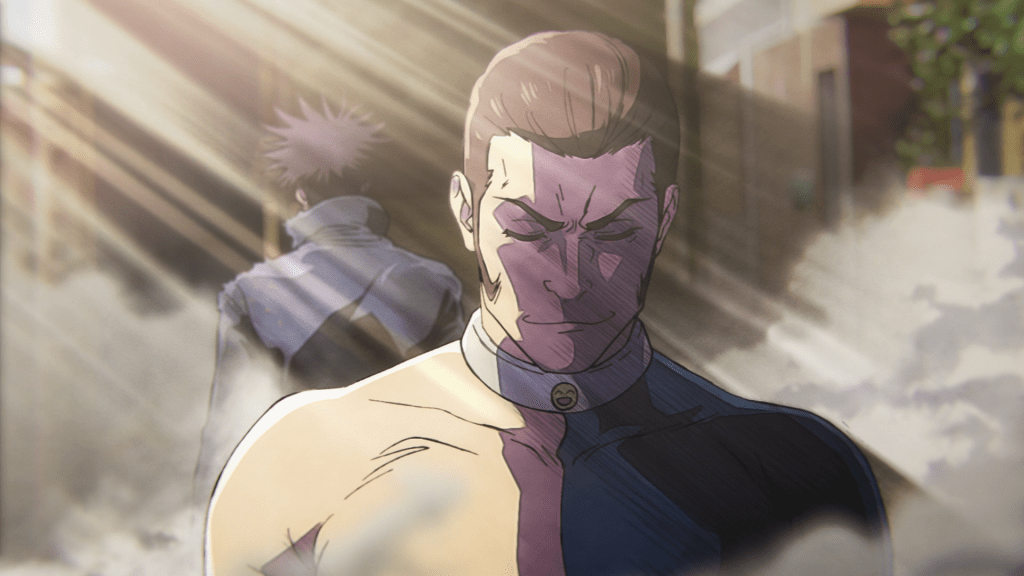
I mentioned before how Jujutsu Kaisen has become a story about systemic failure, but coupled with that theme is an exploration of character that begs to question how people find purpose within a broken, imperfect world. Looking at the case of Higuruma, I think this is a big reason why the Culling Game is such fertile ground for great character writing. Whether it’s incarnated sorcerers or players with freshly awoken cursed techniques, everyone has something that they want that the Culling Game seems to offer them. For Higuruma, it’s the chance to examine a system of rules whose seemingly absolute nature is almost refreshing in contrast to the flawed system he’s spent his career navigating. For Takaba, it’s the chance to be the comedian he always wanted to be by becoming a nigh-fourth-wall-breaking jester for the enjoyment of us, the viewers.
Similarly, the cast of the Sendai Colony episode is characterized by unfulfilled desires from their past lives, something Uro tells Yuta directly. The manga never went too in-depth into Uro’s motivations, and anime truncates such things even more, but her grudge against Yuta stemming from the betrayal she felt at the hands of his ancestors is no less felt in the episode. Ishigori’s motivations are even simpler – perhaps the simplest of any character in the series – and yet I am fully invested in him as a character by the end of the episode. He equates life to a meal and yearns for the “dessert” that was lacking in his past life. Thanks to Yuta, he gets exactly that, but it’s integral to the fabric of Ishigori’s story that it’s not merely because Yuta was a strong opponent. Instead, the two see eye-to-eye, leading Yuta to meet his opponent on his terms, making a conscious choice to prolong the fight, allowing them both to give everything.
The Meaning Behind The Culling Game (To Me)
This is genuinely great character writing, and it’s not any cheaper just because it is enunciated through spectacle. Jujutsu Kaisen‘s visual presentation is at its absolute peak here, and in tandem with the character work, this moment punctuates the episode – and the season – perfectly. Going forward, this theme of unfulfilled desires will only be built upon more with characters like Charles or Kashimo, to say nothing of how Sukuna will be explored as the story approaches its grand finale. Amidst all of this, I think this season’s greatest strength presents itself: it is a dark, oppressive, and supernatural meditation on purpose, desire, and self-actualization in a broken, uncaring world.
Sometimes the rules and mechanics of the world are dense and numerous, and it’s easier to go with the flow than worry about fully understanding them. Even if you try to keep up, you’ll learn that the systems governing life are flawed, corrupt, and run by the worst humanity has to offer. If you’re lucky, you get to witness them fall to ruin as they naturally are prone to do, but if not, at the very least, you can hope to find some joy amid all the despair. To me, this is what the Culling Game and Jujutsu Kaisen as a whole are really about; it’s all about the grind, how we make sense of it, and what we decide to cherish despite the struggle.
The Curious Case of Megumi Fushiguro
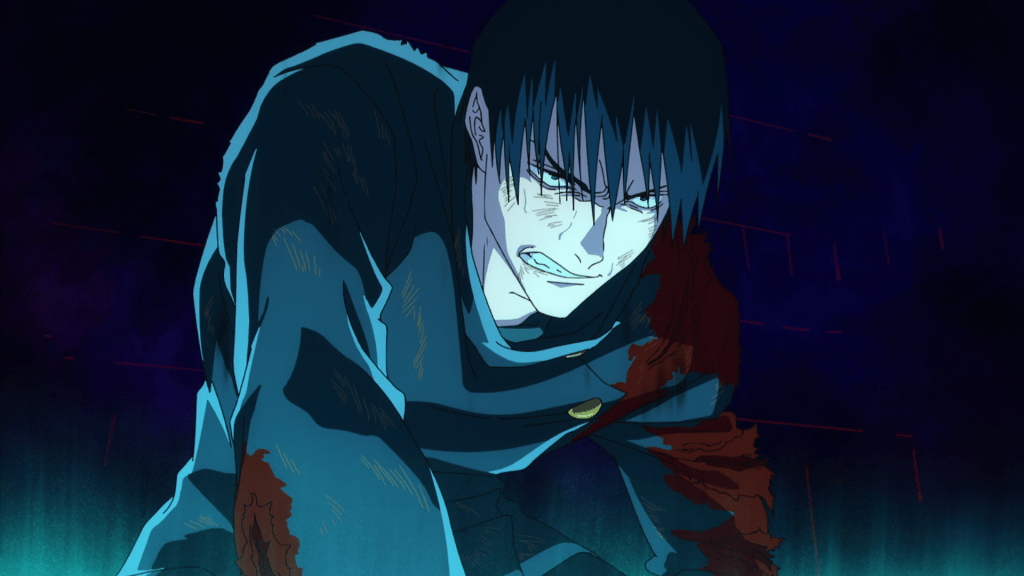
It would feel weird to conclude this piece without talking about Megumi, but I couldn’t for the life of me figure out how to transition into that gracefully, and considering my thoughts on his character as a whole, that felt weirdly appropriate. See, I like Megumi; I dig his aesthetic, his shikigami are all very cool, and he’s the only one of the main trio that has a domain expansion by this point in the story, even if it’s incomplete. He’s cool, carries himself with confidence, and has a diverse skillset at his disposal, but I also find myself forgetting like half the things he can do. I forgot his domain expansion existed until his fight with Reggie Star, and I’m pretty sure Episode 52 is the first time that we ever learn the Ten Shadows Technique lets its users hide inside shadows. Even if I’m wrong about that, I think it’s safe to say that he hasn’t had a lot of time in the spotlight since Season 1 ended. Watching him run like hell from his own dad or summon Mahoraga in a sacrificial play to kill the most annoying villain was great, but Season 2 didn’t do a lot to develop him.
For what it’s worth, this season does him a lot of favors in that regard. His fight against Reggie and the other sorcerers is really fun, frantic, and gritty in a way that other fights aren’t. It’s honestly stressful watching him go 1 v 4, knowing that he needs to not only survive, but also amass enough points to help the group accomplish their goals and save his sister. The fight pushes him to his limits, emphasizing the contrast between him and Yuji. Whereas Yuji wants to avoid killing enemy sorcerers, Megumi has no issue killing when push comes to shove. Best of all, his fight with Reggie is not only well-animated and a testament to the creative powers on display, but mechanically, it’s one of the best domain expansion battles yet, incomplete domain be damned. All of that rocks. The underlying problem is that his motivations are rooted in a character that we have never been allowed to truly give a shit about: his sister.
I feel less connected to Tsumiki than the city girl who was friends with Nobara, whose name I don’t remember (I looked it up, her name is Saori – I love that bitch). At least she got a flashback, so we knew why Nobara liked her so much. Tsumiki is just “the comatose sister,” and believe it or not, family ties are not enough for me to automatically be invested in Megumi’s struggle. I can appreciate the lengths he’ll go to for her sake and what that says about his character, but it feels like a big piece of him is missing so long as she remains so… non-existent. What’s worse is that I know what’s coming, and unless the anime moves mountains to expand on the source material and give Tsumiki the depth she sorely needs, it will only reflect poorly on Megumi, which sucks, because I really love the kind of character that he is presented to be. He simply lacks a strong foundation upon which his scenes can feel more meaningful.
The Future of Jujutsu Kaisen
My complaints with Megumi aside, I really do think this is the best season of Jujutsu Kaisen yet. Director Shota Goshozono and his team absolutely outdid themselves and have started 2026 strong, setting a high bar for the shows to follow this year. I’ve loved this show since the beginning, but I don’t think I truly considered how highly this show ranks among my favorites until this season concluded. What it accomplishes through writing, artwork, music, and vocal performance cuts to the core of what I look for from art when I’m tired or sad or just looking for something to inspire me. In that respect, it fills me with a kind of joy that a select few shows have instilled in me: shows like Kekkai Sensen, Ghost in the Shell, Snow White with the Red Hair, and, as my friends know, Bungo Stray Dogs. All of these were themselves well-made pieces of art, but they also found me at the right time in my life.
Jujutsu Kaisen: The Culling Game – Part 1 is exactly what I needed right now. It is a rich, colorful, and moody piece of art, lovingly crafted, drenched in metaphor, and deliciously esoteric. Time will tell if what comes next can keep the momentum going strong, with rumors of a change in director raising alarm, and the expected concerns over how the anime will tackle the manga’s less-beloved aspects. With all that said, I’m optimistic. Even if Goshozono does depart the director’s chair, this franchise has survived creative shifts before, and if it’s anything like last time, we’re in for something special, even if it’s different.
9/10
This was an unexpectedly tough one to finish “on time,” not that I had a set deadline or anything. I think the realization that Jujutsu Kaisen is one of my new favorite shows complicated things, as I felt the need to dig deeper into what makes this show so special to me, rather than analyzing it in the ways that come naturally to me when I enter a flow state while reviewing stuff. Still, I hope my critique wasn’t too insular or anything.
Thank you so much for reading. As always, stay healthy, stay safe, fuck ICE, impeach Trump, free Palestine, and I’ll see you next time.


I really liked your point about how the anime manages to elevate parts of the manga that might not have had the same impact on the page. The visual direction, character acting, and even the quieter moments make the characters feel much more expressive. Gojo is probably the easiest example of that for me, the combination of his personality and visual design makes him one of those characters that fans naturally want to keep around even outside the actual series, whether that’s through wallpapers, fan art, or Gojo Profile Pics. I also agree that Yuji benefits enormously from the anime’s treatment; his guilt and emotional exhaustion come across much more strongly here.
LikeLike