I never reviewed the first season of Castlevania: Nocturne, though I did pen a piece about how it evolved the franchise’s already impressive power scaling through its new cast of characters. Nocturne‘s first season really impressed me, and that’s why I was so shocked to see that it had such a mixed reception – at least according to the audience score on Rotten Tomatoes (take that as you will). I suppose living up to the original series was a tall order, but even so… why?
Looking at this sequel series solely through the lens of its artwork, sound design, and overall aesthetic, it is a joy to behold, and a step above even its predecessor’s greatest heights. Narratively it might stumble in places, so too did the first series, just over four seasons instead of two. But that’s not really what compelled me to dust off the old blog and add another idea to a pile of half-completed drafts. I want to talk about how Season 2 made me feel, and how that feeling allowed me to forgive what few flaws held this show back from greatness.
Last Time on Castlevania: Nocturne…
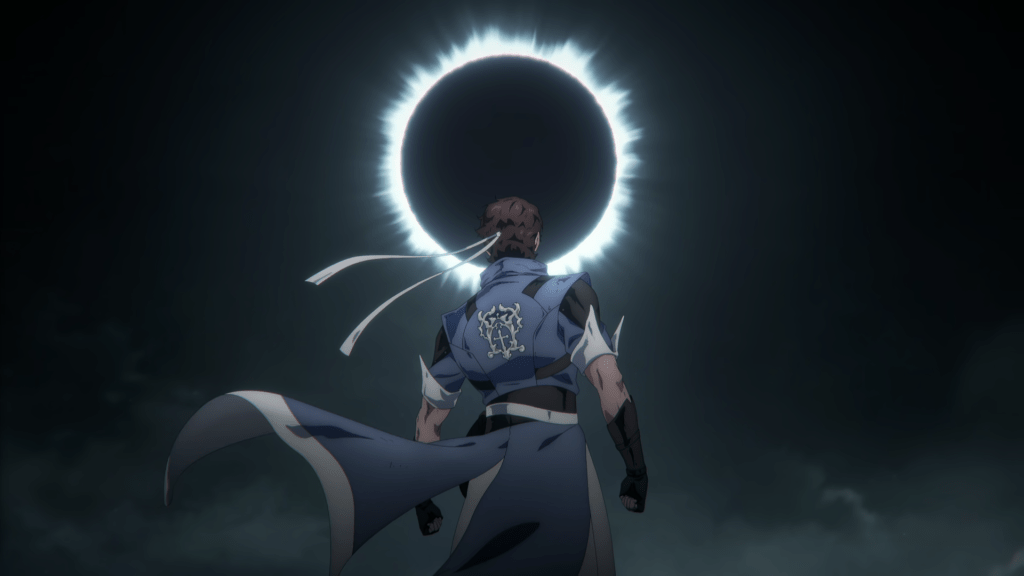

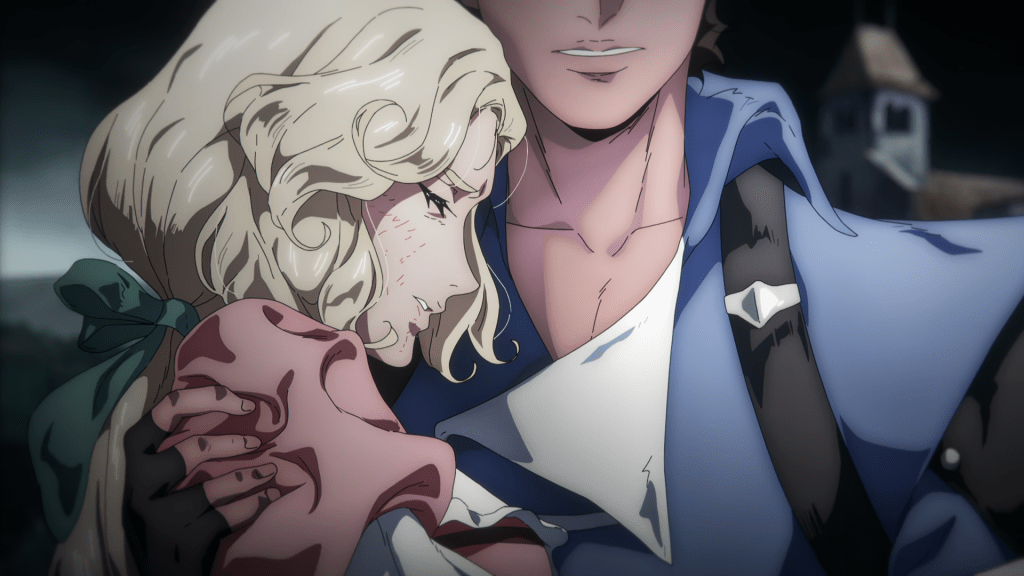
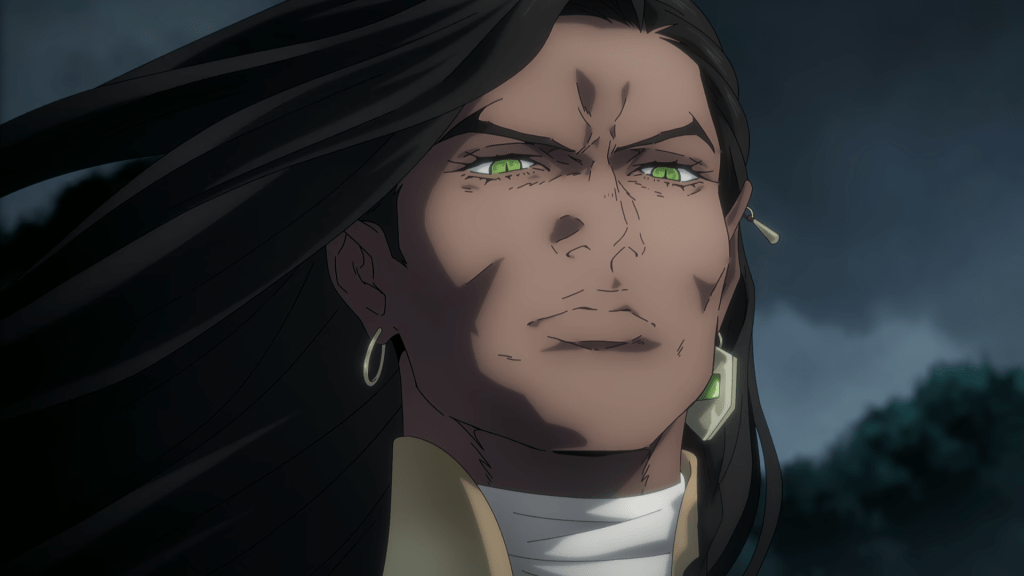

… Everyone lost
Erzsebet was too powerful for our heroes to vanquish. The eclipse passed by unimpeded by their efforts. Maria’s mother was turned into a vampire which she could do nothing about. She wasn’t even conscious, and Richter, who’d spent a season overcoming his fear and his compulsion to run away, was forced to flee by necessity, carrying Maria in his arms. Annette found little peace either. She had already lost Edouard, and her attempts to stop the infernal machine that was producing Night Creatures were halted by the big bad’s entrance. All the while, the Abbot – Maria’s father – could only look on in horror, believing that he would be the last survivor, yet the least deserving of life. Mercifully, the season ended with a glimmer of hope.
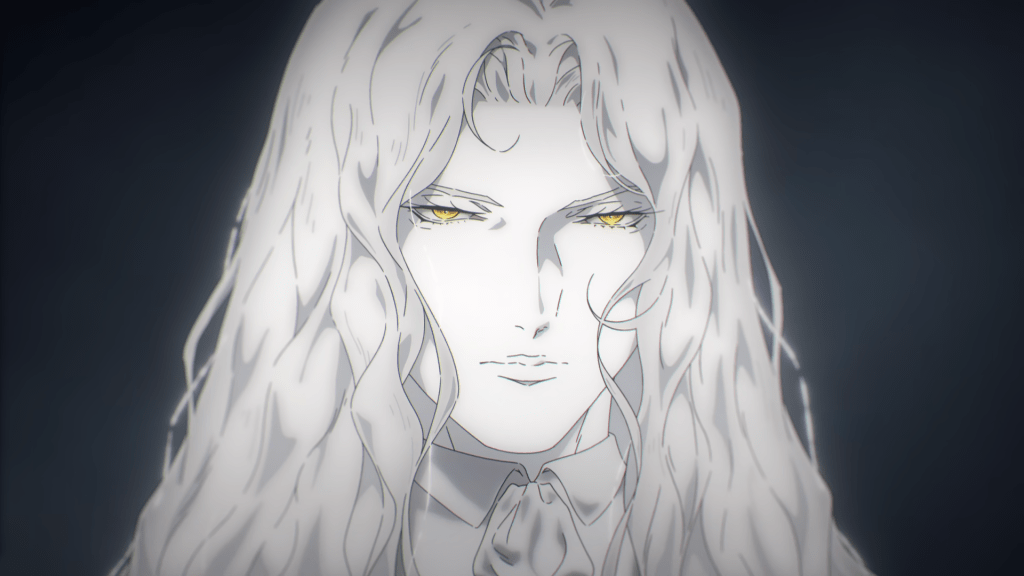
Alucard, the son of Dracula, is back again, and somehow looking even prettier than in the original series. Immortality does great things for the skin. It was the perfect way to end the season, with this promise of victory cushioning the sting of defeat. Were it not for Alucard’s return, it would have been a pretty sour end, but little did I know, when Season 2 did arrive, I would end up finding that anguish shared among the cast to be the story’s greatest asset.
The Castlevania I Needed
You know that phrase “all art is political”? I love that phrase. It pisses off the stupidest people. But lately, I’ve come to appreciate art that – intentionally or otherwise – discovers me at just the right times. The kind of art that helps me to contextualize the current world, my place in it, and how I will compose myself to face it. Nocturne Season 2 was kinda like that, and I’m not entirely convinced it wasn’t intentional.
Now, with that in mind, I’d like to preface that I’m not calling Nocturne a groundbreaking exploration of any particular political subject. It’s not 2019’s Watchmen or 2022’s Andor, which is to say that a deep exploration of politics is not among its chief objectives. However, I would argue that – in the right environment – Nocturne‘s human struggles, themes, and overall aesthetic can appeal to the anxieties of a modern audience living through a time of great and frightening change.
To elaborate, I point you to Season 2’s final trailer, linked above. There’s a line where Richter despairs the rapid change in the world and what it means for people like him.
“The world is changing so fast, what with all this death, and evil… maybe there’s no place for us anymore.”
In the context of the show itself, this line is about the Belmont family of which he is a part. The trailer’s edit of the line cleverly ties Richter’s conflict to that of the overall cast, suggesting the overall theme. It makes a nice hook for the trailer – one of many, but it’s not like that’s deceptive editing. If anything, it’s more honest about what this series, and specifically this season, is about.
Castlevania: Nocturne Is About Failure
To be exact, Nocturne is a story steeped in a depressive and persistent sense of hopelessness, articulated by repeated defeats, and further exacerbated by the art and sound. I don’t think it’s trying to make the viewer feel like shit or anything, but it certainly has a vibe. It’s a vibe that says “Sometimes the world just sucks and you can’t do anything but think about that for now.”
I feel like when stories are “about failure” there’s a balance that needs to be struck, lest the protagonists just feel incompetent, or the story pointless. Consider Star Wars Episode 8: The Last Jedi, which is a story about – among other things – failure, and the persistence of its characters despite continued failure. A lot of people take issue with the film, and while there are many reasons why, I think the film’s structure can be vexing because so many plans end up failing as the heroes try to survive the villains hunting them down.
Personally, I enjoyed The Last Jedi, but I totally get why others don’t. It’s not necessarily fun to watch a bunch of characters we like continually screw up. Then again, is it not the appeal of so many stories to see the hero overcome overwhelming odds? Clearly, there’s a right way to do it, and while I’m not particularly interested in dissecting the ways The Last Jedi arguably did it wrong, I can confidently say that Nocturne does it right.
Much of this season follows the heroes grappling with their grief if not the overwhelming adversity before them. When Alucard presents them with a sliver of hope to defeat Erzsebet, Richter and Annette leave Machecoul to join him on a journey to Paris. But the end of Season 1 still weighs heavily on them, and it’s a wound they will need to live with until Season 2’s violent end. And for those who stayed behind, the wound festers even worse.
How Nocturne Lets Grief Linger
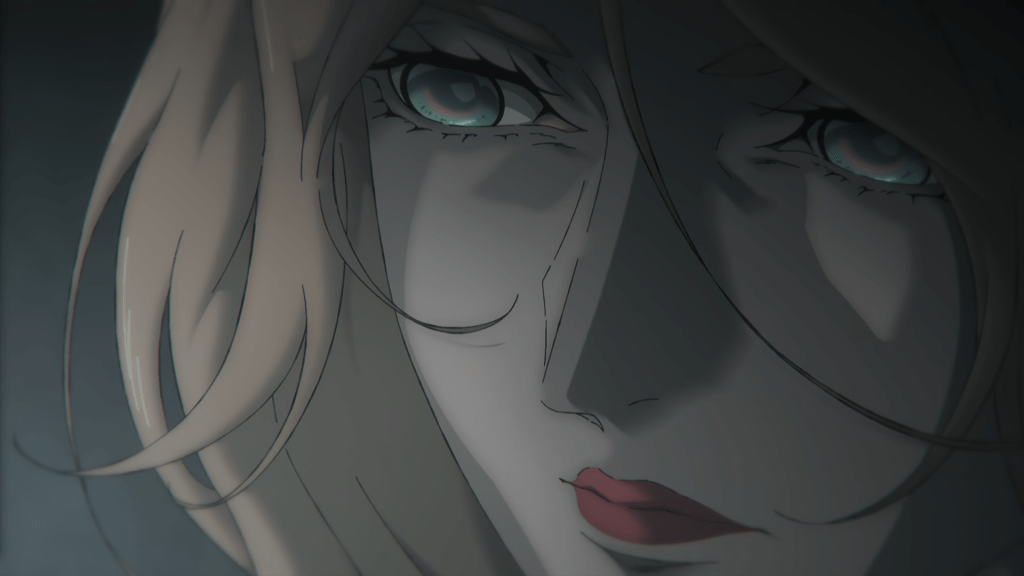
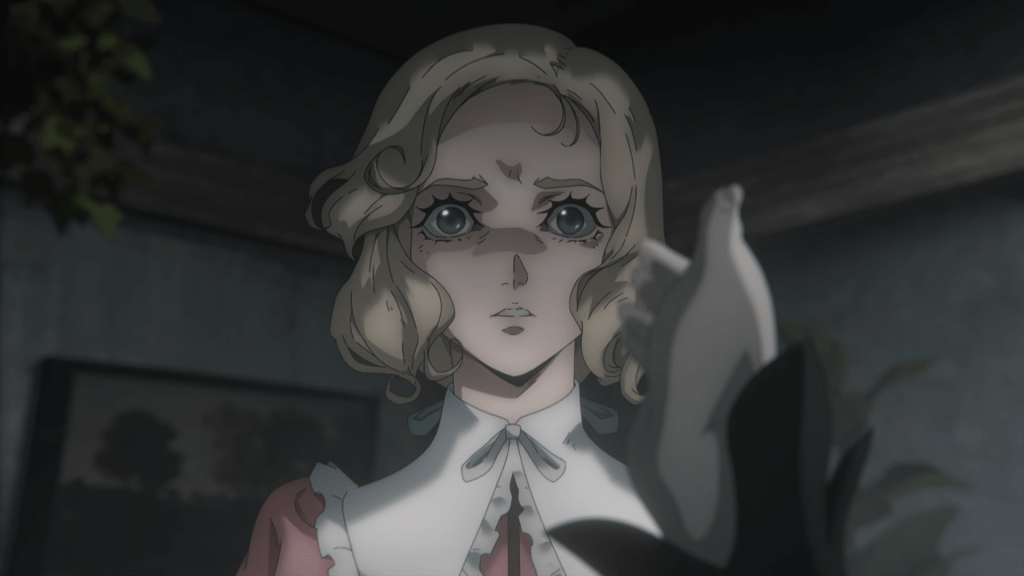
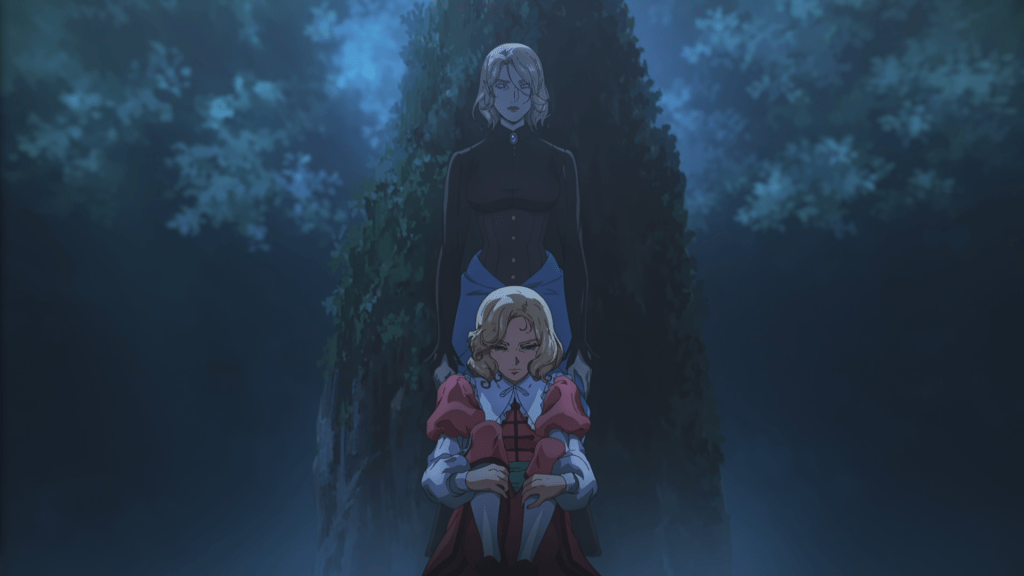
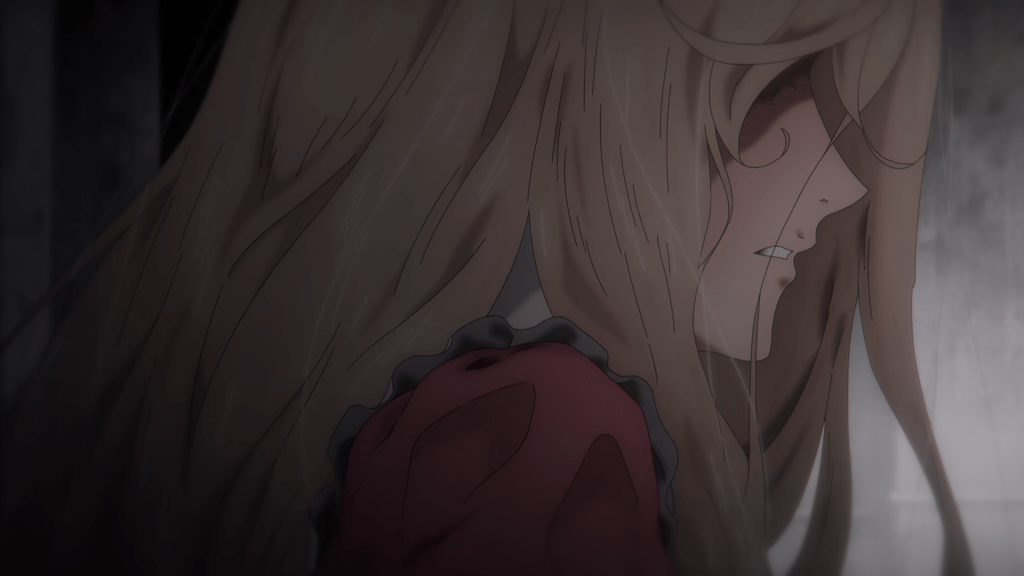
A depressive cloud hangs over the cast. Take Maria, whose loneliness and hatred for her father send her on a self-destructive path that will surely make her stronger, but that will take her soul in the process lest she confront her demons. Her angst and her propensity to lash out at others may irritate some, but for those who can level with her, it is a remarkable character arc.
Better yet, look at her mother, Tera. For a series that is all about vampires, I don’t think the show has ever shown the experience of being one quite like this. For a newly-turned vampire, adjusting to the rules one previously only had to visualize through an enemy turns out to be a grueling torment. The sun is lethal now, as is the space by the windows through which its presence is mundane. Tera’s once-serene home is now robbed of all warmth.
This isn’t new – it’s to be expected in a show about vampires, but the artwork in tandem with Nastassja Kinski’s performance as Tera made it feel fresh and captivating. Somehow, Tera looks and feels more vampiric than any other character, which is to say that she looks like a corpse. There’s less of the glamour that has made the vampires in this series so beautiful in tandem with their monstrous qualities. As such, when Tera reunites with her daughter, it carries an added weight.
Imagine for a moment that Castlevania wasn’t about vampires and that Maria’s story this season was simply that of a girl who had lost her mother. Suddenly, Maria becomes a girl haunted by the ghost of her dead mother. Even more macabre, Maria’s request to become a vampire – to join her mother – becomes analogous to a young woman contemplating suicide. What’s the point of fighting? What’s the point of being human? It’s such an effective use of the inherent mythology to draw out as much emotion from the characters as possible.
“Maybe This Time, Evil Doesn’t Have to Win”
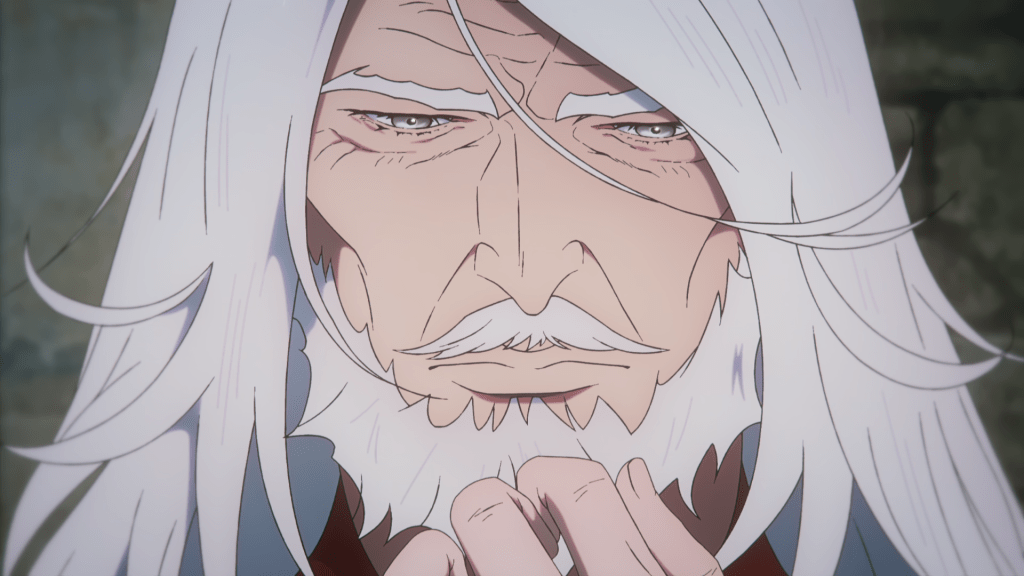
The glue tying the Machecoul plot together is Juste Belmont, voiced excellently by Iain Glenn. Richter asks him to watch over Maria, knowing that the last thing she needs is to be lonely. Dealing with teenage girls isn’t exactly Juste’s forte, but he rises to the task nonetheless, something illustrated beautifully when he dons his old robes. It wouldn’t be Castlevania without a world-weary Belmont, nor would it be so without them learning to find hope again.
Juste visiting his wife’s grave is probably my favorite scene in the series, and not just because I’m a sucker for characters donning their iconic clothes. Even though I’ve never played Juste’s game, Harmony of Dissonance, and never knew his late wife Lydie, the love shared between them, preserved in his memory, is palpable. Both the angelic music, and the beautiful sunlight bathing her grave in the warmth she represented to Juste, lift him and give him the strength to face anything. And for him, that means saving a young woman from her grief.
If you surrender to the darkness… what’s the point in living?
If viewers learned anything from Trevor’s story in the original series, it is that the overwhelming evils of the world cannot be an excuse to stop fighting for the good that persists within. To me, Juste feels like an echo of Trevor’s characterization, simply aged through the Belmont family tree. He is his own character, of course, but he serves to teach that age-old lesson burned into his lineage to Maria, who needs to hold onto the hope in her heart now more than ever.
Juste and Maria might not be connected by blood, but they become like family regardless, much in the same way she and Richter were – and still are – family. For Maria, the most important lesson of Season 2 is that she’s not alone, as much as the absence of her mother may lead her to think otherwise. Even with that assurance, though, she remains a changed person and it’s to the story’s strength that her more radical views don’t just go away by the season’s end.
Fear, Love, and Redemption
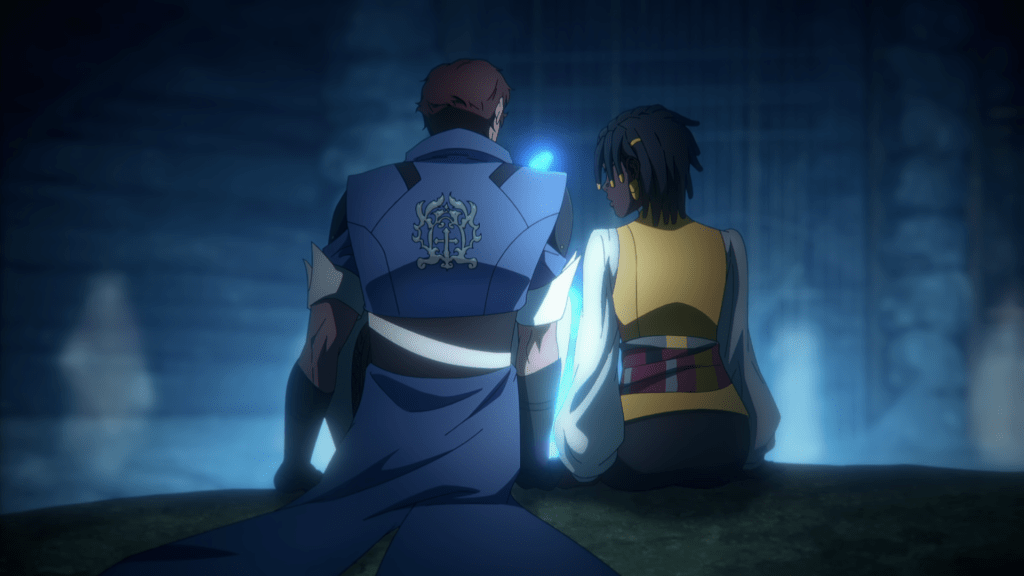
Meanwhile, Richter, Annette, and Alucard take the initiative in hunting down the key to their enemy’s defeat, but the brevity of their journey is by no means an escape from failure. If anything, it becomes a battle of attrition; one step forward and two steps back. Richter’s loquacious tongue gives up where the party is traveling, which later costs them dearly, and the guilt of it looms over him, the sting of it made all the more severe by Alucard’s scolding.
Since the beginning, Richter’s greatest battle has been against the fear within him. In Season 1, he had to fight the temptation to run away from a war that took the life of his mother and that will never stop threatening to snuff out the lives of his loved ones, much less his. Having awoken to his latent magic, Richter is done running, but that doesn’t mean he has conquered his fear. It’s not just strength and magic he needs, but hope – something already in short supply.
Hope and – as it happens – love. I’ll admit, I wasn’t expecting Richter and Annette to become an item, and I can’t recall if it was hinted at in Season 1 (I also never played the games). Regardless, I was pleasantly surprised by how well they paired together. Both of them are proud warriors from strong families, and both are overwhelmed by the weight of that lineage, to say nothing of the might their enemy wields.
Their romance might not have had the same time to develop as something like Trevor and Sypha’s, but it does bring the themes full circle in a way that makes sense of all the hopelessness. It was one thing for Richter to stop running away from his battles, but it’s another thing entirely to not let his mission rob him of the will to live as a person and not just a “Belmont”. His choice to love Annette is bigger than just a cute subplot; it’s his rebellion against hopelessness.
Nocturne’s Artistry Surprised Me
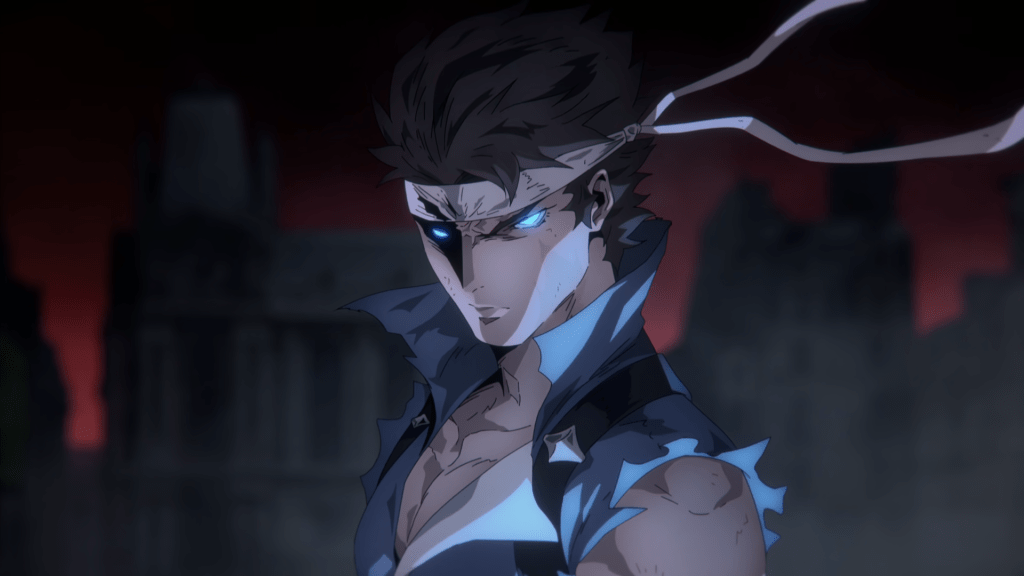


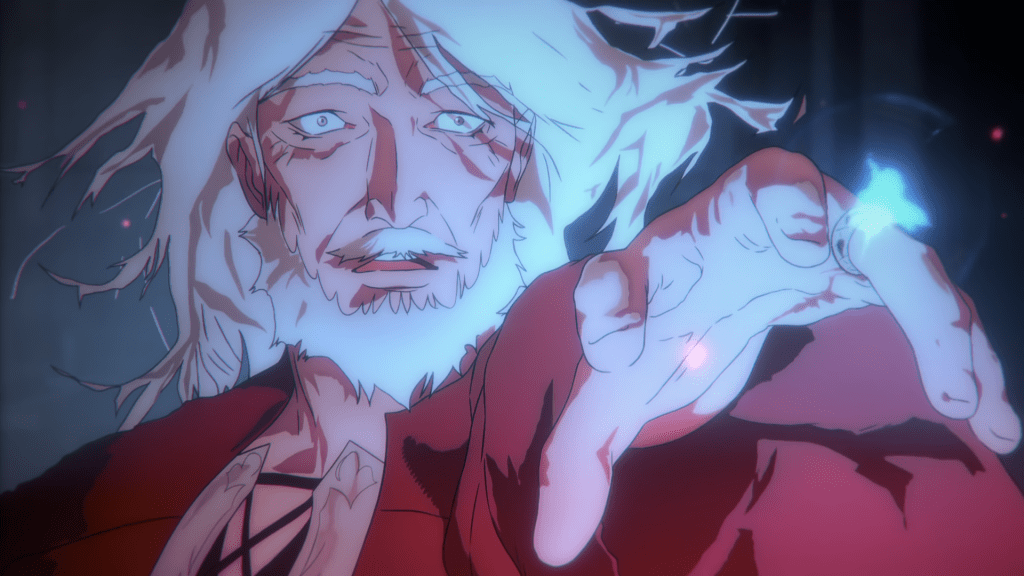
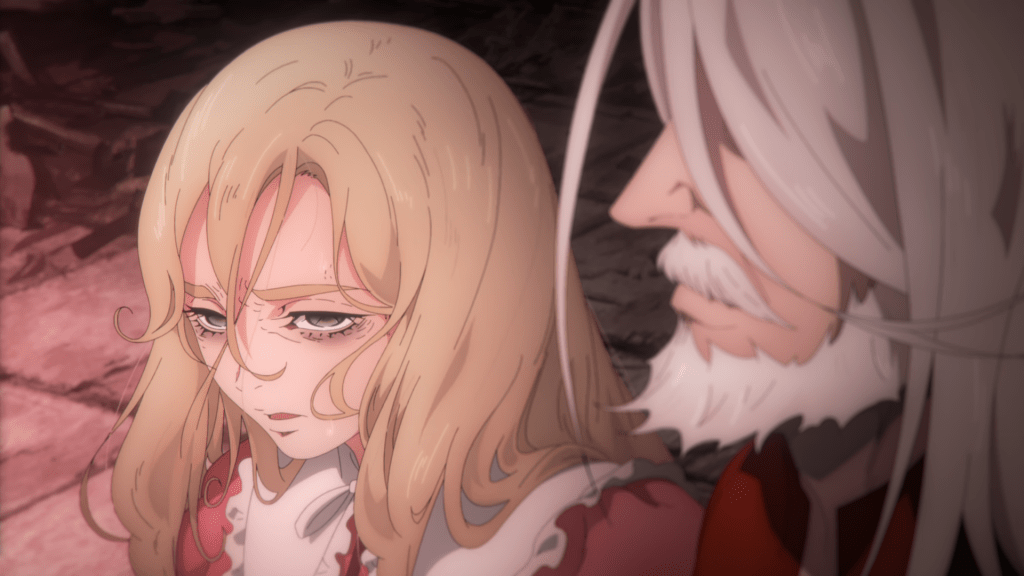
When I was watching the first two episodes of Season 2 with my friend, I exclaimed at the quality of the artwork, at which point he chimed in, describing the art as “striking and abrasive”. There was no shade intended by the term “abrasive”. It was a compliment. Nocturne‘s art is powerful – far more so than even the prettiest shots from the original. The line art is thinner and wispier, with the details on characters feeling at once sharp in some places but appreciably delicate in others.
Characters can move as lively during dialog as they do during combat, with one particular scene of Richter geeking out irrevocably burned into my mind. And that’s just one of the rare happy moments. A big reason why the vibes of Nocturne stood out to me was precisely because of how art labored to paint the emotions of its characters, and the state of its world, in such detail.
Castlevania is no stranger to setting a dour tone, mind you. During the original series, the end of Season 3 going into the beginning of 4 was notoriously grim, and effectively so for the most part. Hell, from the start, the series was hardly a fairy tale, but I was never laboring under the assertion that Nocturne is necessarily darker on the whole. I do, however, think that in terms of aesthetics, there’s no competition: Castlevania: Nocturne is the aesthetic pinnacle of the franchise.
It is a story in which our heroes, many of them young, are deterred by repeated failures that cast a dark shadow over the future of their ever-changing world, in which they feel increasingly small. Yet, despite the overwhelming evil assailing them, they press on, finding comfort in one another, and the resolve to not only fight against the darkness but actively be a light for others to follow. Is that a fancy way of describing a story that’s more or less been told before? Most certainly. But Nocturne didn’t need words to say all that.
A Simple Salve to Profound Hopelessness
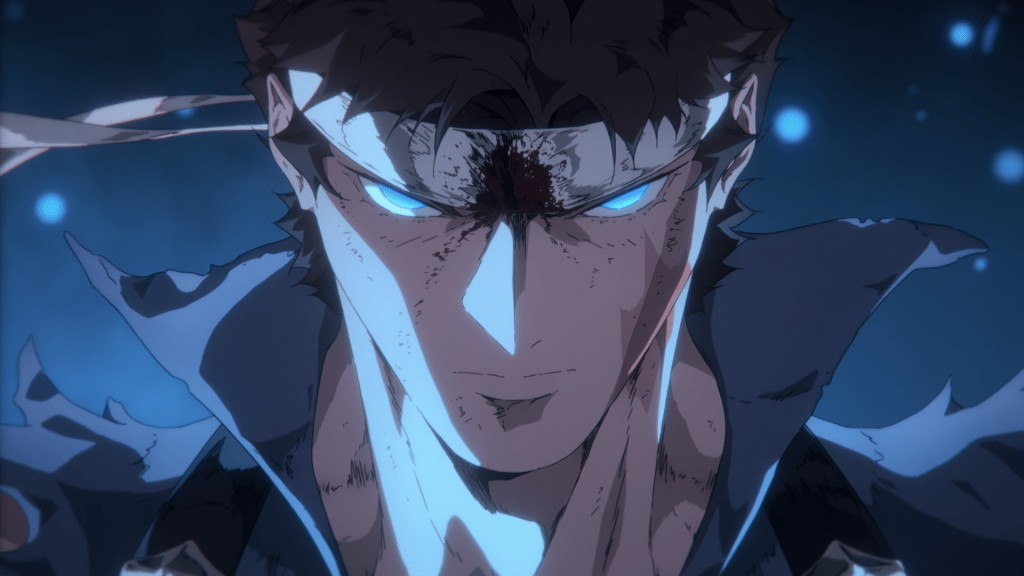
The above paragraph was already articulated in the parent text through the language of animation, in which Nocturne spoke volumes. Genuine question, do I need to write about why the fight scenes in this show are good? I’ve been doing that for years with a lot of shows (and will likely continue to do so professionally or otherwise), but for this topic, it feels redundant. Just watch the fights yourself and you’ll get it. Powerhouse Animation knocked it out of the park… again.
All I really want to say about the climax is that it was a sublimely cathartic payoff to a season’s worth of characters younger than me being depressed about the overwhelming evil of the world. And unlike in the real world that all of us as left with, they could chop that evil in half with a magic greatsword and have it feel completely earned, without cheapening the overall messages.
Like how sometimes it feels like there’s no place for you, but there is. That you shouldn’t surrender to the darkness, because what’s the point in living then? Nihilism is for dumbasses. Make no mistake, life is not and will not be easy, but that’s why people can’t survive alone. We need people we can confide in, who will fight with/for us in whatever form that takes. Castlevania has gone to great lengths to show how loneliness whittles away at people and how love saves us, and that was way before Nocturne came up to bat. That was Trevor’s entire arc for crying out loud.
I guess I was just a bit surprised that these simple, tried-and-true, timeless lessons resonated with me the way they did. Whether it be the nuance of the art itself or just the time in my life in which I was fortunate enough to watch it, it put me in a good mood at a time when I needed it, thanks to themes that felt relevant, even in a setting a world apart from me.
The Point of All This
Laying Everything on the Table
If it wasn’t obvious enough already, this wasn’t a traditional review. There’s plenty I still haven’t given my thoughts on, good and bad. So here’s a lightning round:
- Olrox continues to be one of the coolest characters in the series and his romance with Mizrak was hands down the most interesting relationship. It leaves off on a bittersweet note, but at least they’re both still alive (technically).
- Alucard was dope but sometimes he just felt sorta “there”. Maybe I’m just spoiled and bitter that I couldn’t have more scenes with him though.
- The times when this franchise randomly decides to dive into the spirituality of the world never cease to impress me. Like Saint Germain before her, Annette opened up some exciting doors through which the lore and magic system of this series can be deepened further.
- Erzsebet was a pretty mediocre villain in the end, and Drolta wasn’t much better, but she served cunt and I can’t hate her for that. They both reached the peak of their evil at Season 1’s end, whereas this season saw them riding that high while not-so-successfully touching upon their backstories. Neither of them gets close to snatching Carmilla’s crown.
Okay, Now for the Real Conclusion
So like I said, I don’t think Castlevania: Nocturne is a “political” show in any other sense than the “All Art is Political” adage would cover. It’s a fun vampire show whose messages, intentionally or otherwise, happened to coincide with a time when it’s really distressing to live in my country. More importantly, its tone and presentation created a vibe that mirrored my own emotional state while still providing a cathartic, escapist power fantasy.
I’m of the mind that the best escapism – that which resonates with each of us the best – likely isn’t completely detached from reality as the term would suggest. Rather, I believe we benefit from escapism the most when it is used to contextualize our world through fantasy. It’s a safe way to confront what we might otherwise fear, to learn from it, or to conquer it. I have no data to back this up, but the number of times that people look at stories with obvious political parallels to the real world and not notice just convinces me that some escapism works a little too well.
Think of it like this. It’s like listening to sad music when you’re in a bad mood. Sometimes, before you can pull yourself up, you need someone or something to meet you on your level. Castlevania: Nocturne met me on my level and then cheered me up with some immaculate animated fights that have set the bar for animation in 2025. If you’re a lover of animation who is feeling similarly drained by world events, I recommend it for you too.
Hey, it’s been a while. I’m really happy I finally found the time to post something here. I don’t know how many people kept up with this blog when I was super active, but no matter how many, I really loved writing for you. Writing for Game Rant has been fun and led to some pretty exciting opportunities that I can’t wait to share, but I sometimes miss writing blog posts. Maybe I just miss college. Approaching my late 20s, maybe I just miss the past in general, but despite everything messed up in the world, I’m somehow excited, because I still have fingers to type with and words that I insist on sharing whether the world notices or not. I hope you’re excited too, if not about my writing, then at least about what there is still left to witness in the world, or what you can create yourself.
Thank you so much for reading. Stay safe, stay healthy, and I’ll see you next time…
 Sakura Sunrise